Carpet Cleaning Fort Collins, CO: What to Know Before You Book


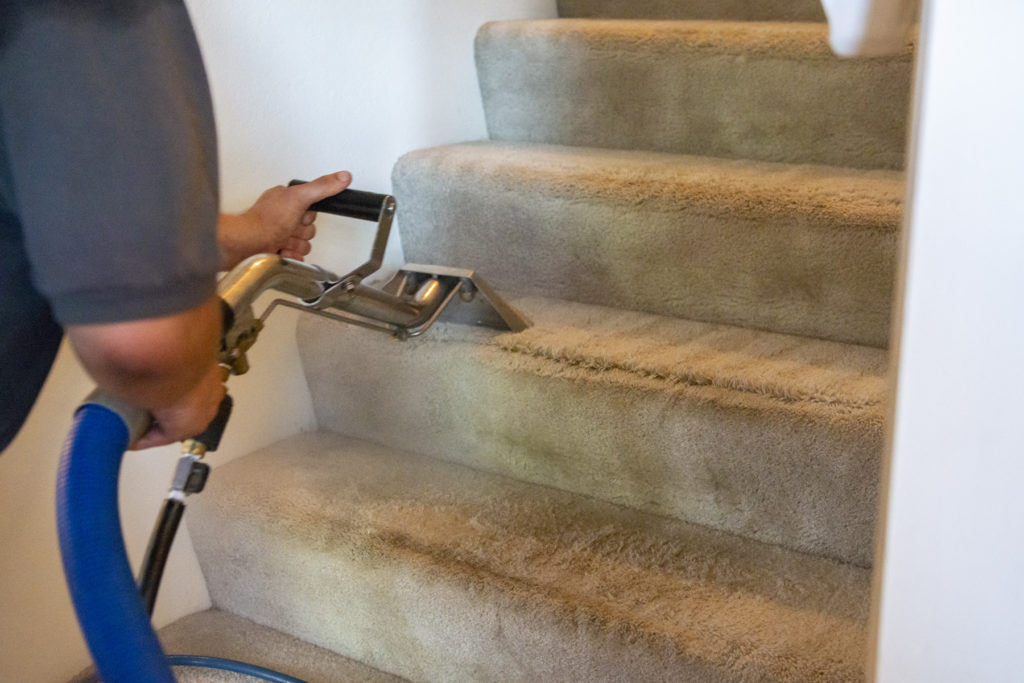
Fort Collins homes have a way of pulling the outdoors inside. That is part of the appeal of living here. You get bike trails, foothill views, spring wind, winter slush, and plenty of sunny days that make every bit of tracked-in dust show up in sharp detail. Carpets take the brunt of it. Fine grit from dry months settles deep in the pile. Snowmelt and de-icer leave behind moisture and residue. Pets, kids, roommates, and busy schedules do the rest.
That is why booking carpet cleaning sounds simple until you actually start comparing companies. Prices vary more than most people expect. One cleaner promises a whole-house special that sounds almost too good to be true. Another quotes a higher rate and talks about dry times, pre-treatment chemistry, and fiber identification. Both claim great results. Only one may be right for your home.
If you are looking into Carpet Cleaning Fort Collins, CO services, the smartest move is to understand what affects results before a technician ever rolls a hose to your front door. A well-cleaned carpet should not just look brighter for a day or two. It should feel cleaner underfoot, dry in a reasonable time, and stay presentable longer because soil was actually removed rather than pushed around.
Fort Collins conditions change what your carpet needs
Carpet cleaning is never one-size-fits-all, and Fort Collins makes that especially clear. The local climate creates a specific kind of wear pattern. During dry, windy stretches, carpets collect powder-fine dust that works its way below the surface. It is not always obvious at first glance. You notice it when traffic lanes flatten, colors look dull, or socks pick up grime even after vacuuming.
Then there is winter. Snow and slush get tracked in, especially around entryways, stairs, mudrooms, and the path from garage to kitchen. Moisture alone would be manageable, but moisture mixed with de-icing compounds and dirt creates stubborn gray-brown staining. By late spring, many homeowners are looking at a carpet that seems older than it is.
Homes near open space, construction zones, or high-traffic roads often deal with more airborne soil. Pet owners face another layer of complexity, especially when odor has moved below the carpet backing and into the pad. In student rentals and family homes alike, wear can be surprisingly concentrated in a few zones while the rest of the carpet still has years of life left. A cleaner who recognizes those patterns is more likely to set honest expectations and recommend the right process.
Not all carpet cleaning methods are equal
One reason quotes are hard to compare is that “carpet cleaning” can mean very different things. Most homeowners hear the phrase and assume every company deep-cleans in roughly the same way. They do not.
Hot water extraction, often casually called steam cleaning, is the method many manufacturers and industry professionals prefer for a true restorative clean. It uses heated water and cleaning solution, agitation or preconditioning, then strong extraction to remove suspended soil. When done well, it flushes out far more embedded dirt than low-moisture surface methods.
That does not mean every hot water extraction service is excellent. Results depend on several details: how much dry soil was removed first, whether the cleaner used proper pre-treatment, how long the solution dwelled before extraction, whether they over-wet the carpet, and how powerful the recovery equipment was. A rushed operator with poor technique can leave carpet too wet and not especially clean.
Low-moisture methods have their place. Encapsulation, bonnet cleaning, and other minimal-water systems can work well for commercial maintenance or for lightly soiled residential carpets when quick dry time matters most. They are often faster and less disruptive. The trade-off is that they may not remove as much deeply embedded soil, especially in homes with pets, neglected traffic lanes, or long intervals between cleanings.
If a company does not clearly explain its method, ask. “We use steam” is not a complete answer. You want to know how they treat spots, how long drying typically takes, and whether the price includes the steps that actually matter.
The cheapest quote is rarely the cheapest job
Pricing in Carpet Cleaning Fort Collins, CO can look confusing because some companies charge by room, others by square foot, and others by service package. Room pricing sounds simple, but definitions vary. One cleaner’s “room” may cap out at 200 square feet. Another may count hallways, stairs, closets, and landings separately. Add-ons can make an advertised special swell quickly once the technician is inside.
That does not automatically mean upselling is dishonest. Some homes genuinely need more work. Pet treatment, heavy soil suspension, filtration line cleaning along baseboards, and stain work take extra time and materials. The problem is when the initial price was designed to get in the door rather than reflect the likely scope.
A realistic quote usually comes from a company willing to ask a few good questions. How old is the carpet? Have pets had accidents? When was it last professionally cleaned? Are there wool rugs, berber loops, or delicate fibers involved? Has anyone attempted spot removal already? Those details matter because they shape both labor and risk.
I have seen homeowners save $80 on the front end and lose it several times over because the carpet wicked back, spots returned, or lingering dampness created musty odor. I have also seen modestly priced cleanings deliver excellent value because the technician knew what could be improved and what could not.
Fiber type matters more than most people realize
A nylon carpet in a family room does not respond the same way as polyester in a bedroom, and neither behaves like wool on a staircase. Good cleaners pay attention to that because the wrong chemistry or too much heat can create problems that look like cleaning failures even when the soil comes out.
Synthetic carpets, particularly nylon, tend to clean up well when treated properly, even after fairly hard use. Polyester can resist some staining but often holds oily soil in ways that make traffic lanes stand out. Olefin, common in some builder-grade and basement installations, can be tricky because it attracts oily residue and may look dingy even after cleaning if the wear is severe.
Wool deserves special caution. It is a natural fiber, and it can shrink, brown, or become distorted if cleaned aggressively. A technician who identifies wool and adjusts accordingly is doing exactly what you are paying for. That kind of judgment is not glamorous, but it separates careful professional work from generic spray-and-go service.
Pet issues require honest expectations
Pet odor is where many carpet cleaning disappointments start. Homeowners are often told their carpet will smell fresh again after a standard cleaning. Sometimes that is true. Often it is not.
If a pet accident stayed on the surface and was handled quickly, ordinary spot treatment may solve it. If urine soaked through the carpet into the pad or subfloor, surface cleaning alone will not remove the source. In those cases, deodorizer sprayed on top may create a temporary improvement, but the odor often returns on humid days or when the room warms up in the afternoon sun.
A reputable cleaner should explain the difference between stain treatment and odor remediation. Sometimes they can treat from the surface with enzyme or oxidizing products and get a good result. Sometimes the only reliable fix involves pulling back the carpet, replacing pad sections, treating the subfloor, or in severe cases discussing replacement. That is not what people want to hear, but it is far better than a promise that cannot hold.
The same goes for pet stains that have been scrubbed repeatedly with store-bought products. DIY efforts can lock in residue, bleach color, or set tannin-like discoloration. Skilled technicians can improve many of those spots, but not all. Honest limitation is a sign of professionalism, not a lack of effort.
Dry time is not a small detail
People tend to focus on how the carpet will look when the crew leaves. Dry time deserves equal attention. If carpets stay wet too long, soil wicks upward, odors linger, and daily life gets inconvenient fast. In a busy household, that matters.
Several factors affect drying. Humidity levels, airflow, carpet density, Carpet Cleaning Fort Collins, CO pad thickness, outdoor temperature, and cleaning technique all play a role. In Fort Collins, dry air can help, but only if the technician does not over-saturate the carpet. A properly performed hot water extraction in a ventilated home often dries within roughly 6 to 12 hours. Heavily soiled areas, thick pad, or cool-weather conditions can push that longer. “Dry in one hour” claims should be treated with caution unless the method is specifically low-moisture.
A simple sign of a careful cleaner is that they talk about air movement. They may recommend turning on ceiling fans, running HVAC, cracking windows when conditions allow, or using air movers. Fast drying is not just about comfort. It is part of achieving a stable result.
Stain removal and carpet cleaning are related, but not identical
This is another place where homeowners get tripped up. Deep cleaning the carpet can dramatically improve overall appearance, but it does not guarantee every spot will vanish. Some stains are not really stains anymore. They are dye damage, bleach loss, rust reaction, heat setting, or wear patterns that trap shadow and texture differences.
Red beverage spills, makeup, coffee, and tracked-in grease can often respond well if addressed with the right specialty treatment. Old mystery spots are less predictable. Candle wax, slime residue, paint, nail polish, and certain medications move the conversation from cleaning into repair or color correction.
When a company promises to remove “all stains,” that is usually a marketing line, not a reliable standard. Better language sounds more like this: we will identify which spots are likely removable, which are likely permanent, and which may improve but not disappear. That is what practical experience sounds like.
Questions worth asking before you schedule
A short phone call can tell you a lot about how a company operates. You do not need to interrogate anyone, but a few direct questions can save frustration later.
- What cleaning method do you use, and what is included in the quoted price?
- How do you handle pet odor, not just visible pet stains?
- How long should I expect the carpet to stay damp?
- Are your technicians employees or subcontractors?
- Will you move light furniture, and what preparation do you want from me?
Those answers reveal more than a polished website often does. Clear, specific replies usually come from companies that know their process and deliver it consistently.
Red flags that deserve a closer look
Most bad carpet cleaning experiences follow a familiar pattern. The warning signs are usually there early, just easy to ignore when a promotion looks attractive or the schedule is convenient.
A suspiciously low advertised price is one common issue. Another is a quote given with no questions at all about carpet type, square footage, pets, or condition. Vague language around dry time can also be a problem, especially if the company avoids discussing it. So can overly broad guarantees that sound comforting but are impossible to define in practice.
Watch how a company talks about difficult issues. If every stain is “no problem,” every odor can be “fully eliminated,” and every carpet will dry “almost immediately,” you are hearing sales language, not field-tested judgment. Professionals who have done enough of this work know that variables matter.
What you should do before the crew arrives
Preparation does not have to be elaborate, but it makes the appointment smoother and protects your time. Pick up small items, toys, floor lamps, and loose breakables. Vacuuming beforehand is helpful if the company asks for it, though many full-service cleaners include pre-vacuuming because dry soil removal is part of doing the job properly. If you have pets, make a plan to keep them comfortable and out of the work area.
It also helps to mark any spots that concern you most. Homeowners often assume technicians will notice every stain instantly, but some only show at certain angles or under evening light. A quick walkthrough at the start of the appointment improves communication. Mention anything important, especially old spills, pet accidents, or previous DIY treatment attempts.
If you have wood furniture, ask how the company protects legs and bases while carpet dries. Tabs, blocks, or foam protectors are standard good practice. That kind of detail says a lot about professionalism.
How often Fort Collins homes usually need carpet cleaning
There is no universal schedule, but there are practical ranges. A low-traffic home with no pets and regular vacuuming may do well with professional cleaning every 12 to 18 months. A family home with children, a dog, and active entryways may need service every 6 to 12 months to keep soil from accumulating to the point that wear accelerates. Rentals and heavily used homes can require even more frequent attention.
Regular cleaning is not just cosmetic. Grit acts like sandpaper underfoot. Once fibers abrade and lose texture, cleaning cannot restore them. That is why waiting until the carpet “looks dirty” often means some damage is already done. On the other hand, too-frequent aggressive cleaning by inexperienced operators is not ideal either. The goal is a sensible maintenance rhythm based on actual use.
Fort Collins homeowners who spend a lot of time outdoors often do better with a seasonal mindset. A cleaning after winter and another after peak summer dust can make more sense than picking an arbitrary annual date.
Protectant can be worthwhile, but only in the right situations
Many cleaners offer fiber protectant after cleaning, and some homeowners dismiss it as a pure upsell. Sometimes it is. Sometimes it is smart.
On newer carpet, especially in living rooms, hallways, and family spaces, protectant can help spills bead up a little longer and make routine maintenance easier. It is not a force field, and it does not replace prompt cleanup or vacuuming. On older, heavily worn carpet, the benefit may be limited because the fiber surface has already changed significantly.
A good company should frame protectant as optional and explain where it makes sense. If they pressure every customer equally, regardless of carpet age or condition, treat that as a sales habit rather than a tailored recommendation.
Reviews help, but specifics matter more than stars
Online reviews are useful, but not all five-star feedback carries the same weight. Look for comments that mention punctuality, clarity of pricing, dry time, pet odor results, and whether the carpet stayed cleaner afterward. Those are more informative than generic praise about friendliness alone.
Pay attention to how a company responds to complaints. Every service business eventually runs into an unhappy customer. Reasonable, calm responses suggest maturity. Defensive or dismissive replies can tell you what communication may feel like if your own job does not go as planned.
Referrals still matter, especially from neighbors whose homes resemble yours. A recommendation from someone with two dogs, beige carpet, and a busy household is more useful than one from a friend with low-traffic guest rooms cleaned once every few years.
Booking the right service is really about matching the method to the home
The best Carpet Cleaning Fort Collins, CO service for one household may not be the best for another. A quick-dry maintenance clean for a tidy condo is different from restorative extraction in a family home with muddy spring traffic and old pet issues. Good companies know the difference and do not pretend every problem has the same answer.
When you compare providers, listen for practical judgment. Do they ask about fiber type, traffic patterns, and odor sources? Do they explain trade-offs between methods? Are they realistic about what can improve and what may be permanent? That kind of conversation is usually a better predictor of your result than a flashy coupon or a long list of marketing claims.
Clean carpet should feel like relief, not another gamble. If you know what to ask and what to watch for, you are far more likely to book a service that leaves your home genuinely cleaner, your expectations met, and your carpet in better shape for the long haul.
TLC Carpet & Air Duct Cleaning
921 E Prospect Rd, Suite C
Fort Collins, CO 80525
(970) 352-8176
FAQ About Carpet Cleaning Fort Collins, CO
What is the best time of year to clean carpets in Fort Collins, CO?
Choose a day when you can give the carpet time to dry and keep foot traffic low. Ventilation and indoor humidity can matter more than the season.
How long will my carpet take to dry after cleaning?
Drying time varies with the carpet, cleaning method, humidity, and airflow. Ask the technician for an estimate and when to move furniture back.
How do I prepare my home for carpet cleaning?
Pick up small items, clear a path for equipment, and point out stains or delicate fibers. Ask the cleaner which furniture they can move and what needs to be moved before the visit.